
4 SEO Tips for Better Rankings and Visible Results


CEO
Before content can even be evaluated, Google checks a website’s technical foundation. Errors at this stage directly affect visibility and crawling. Two key areas deserve particular attention: page speed and mobile optimization.
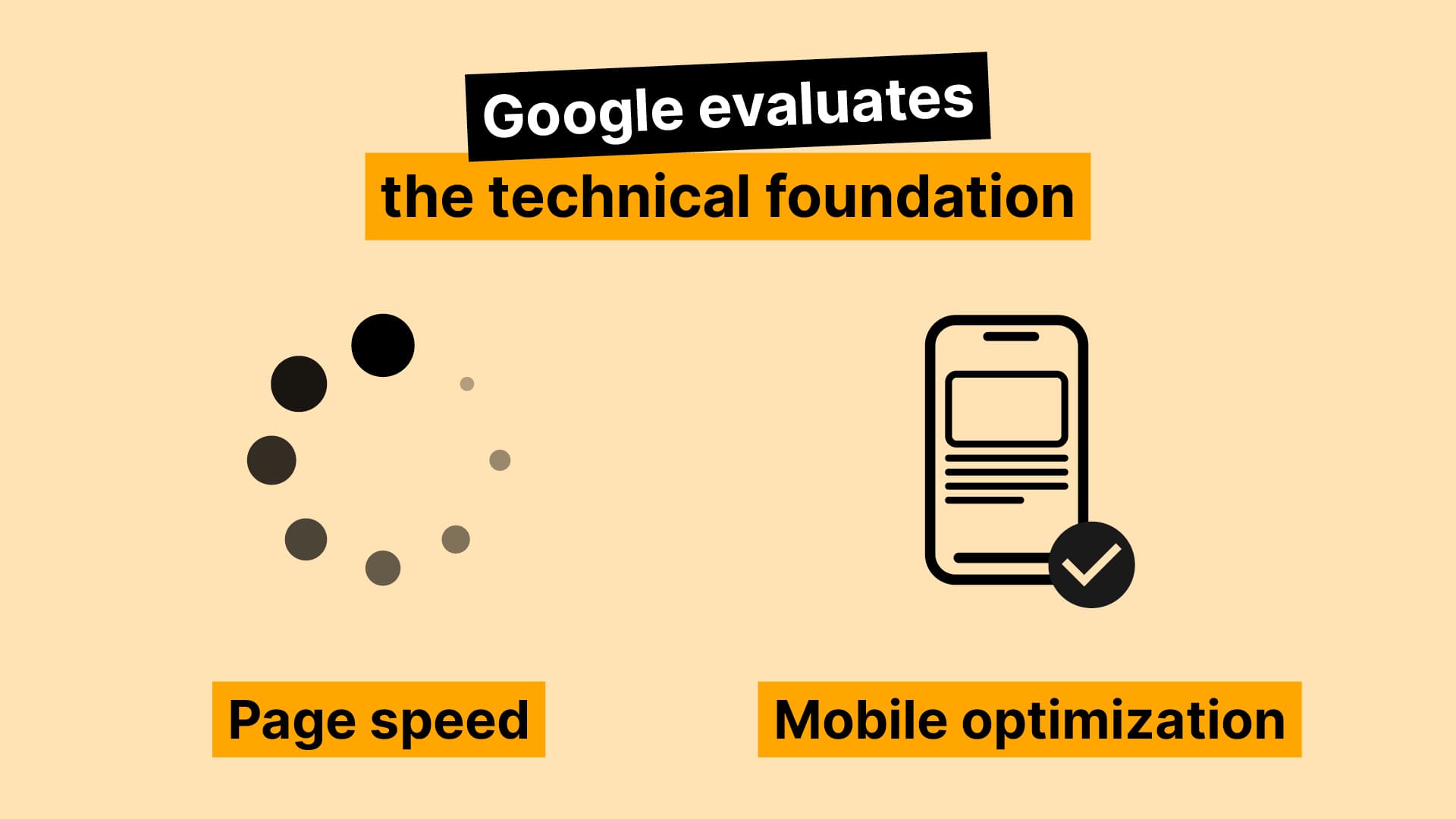
Figure 1: Google places particular emphasis on a website's loading speed and mobile optimization.
Loading speed affects how quickly users can see content and whether they stay on the page. Tools such as PageSpeed Insights and Lighthouse help identify weaknesses. Common causes include:
- uncompressed images
- unnecessary scripts
- too many external resources
Mobile optimization is now standard. Google indexes the mobile version of a page first. A responsive design and stable Core Web Vitals (loading speed, interactivity, and layout stability) are therefore not optional, but essential.
Tip 2: Optimize Content - The Right Way
Search engines do not just evaluate technical factors, but above all the content. Text must be clear, relevant, and well structured so that it works for both users and Google. Quality clearly comes before quantity.
Write for people, not algorithms. Content should answer questions, solve problems, and provide clear added value. A logical structure with descriptive subheadings not only improves readability but also makes content easier for search engines to understand.
Keywords play an important role. They should appear where they make sense: in the title tag, headings, meta description, first paragraph, and several times throughout the body copy. What matters is that they fit the topic and match the search intent. Keyword stuffing offers no benefit and can even be harmful.
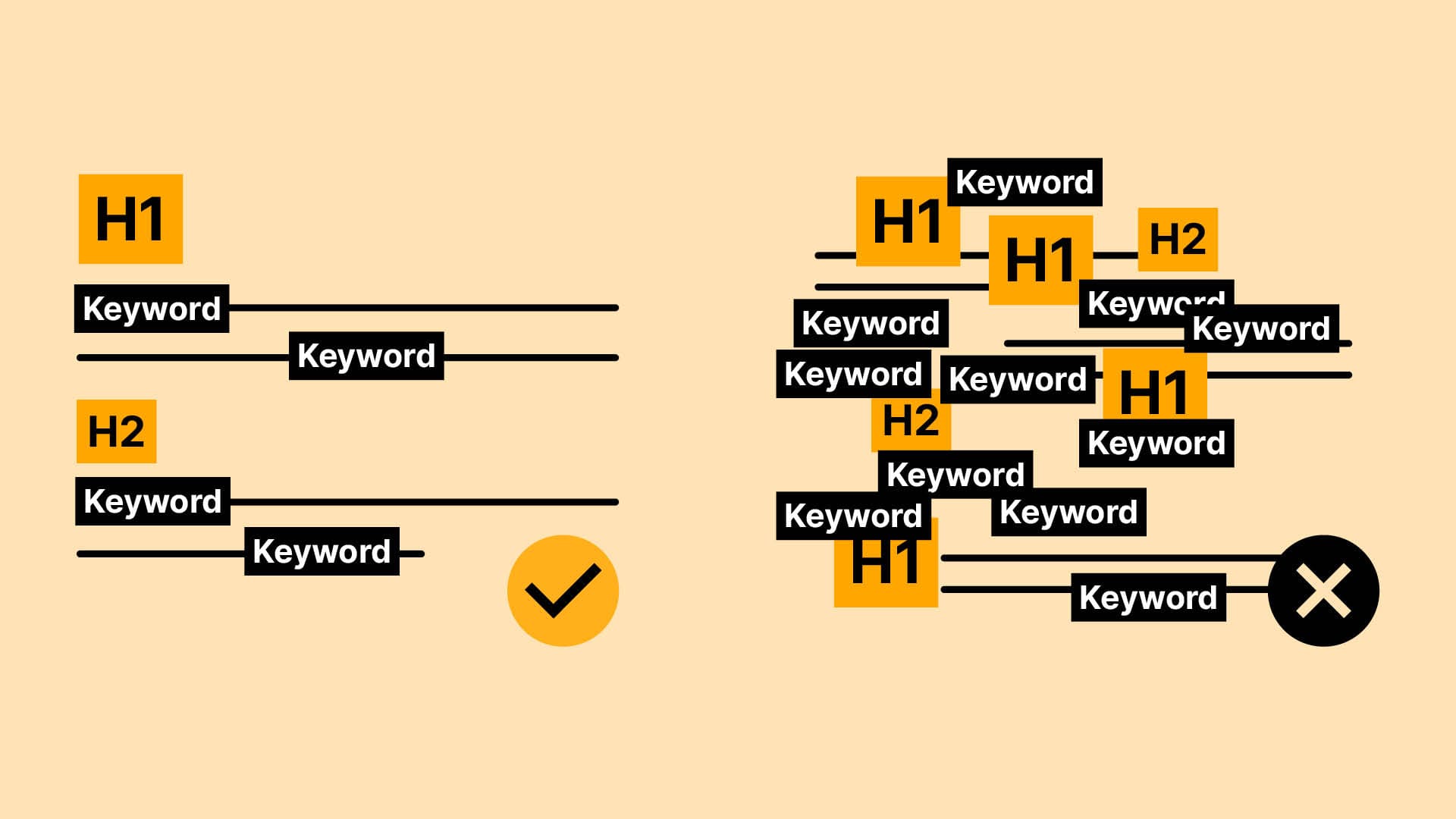
Figure 2: Clear structure with strategic keyword usage vs. a cluttered layout and keyword stuffing.
Optimizing Content for Search Engines and AI Systems
In addition to traditional search engines, AI systems such as ChatGPT, Gemini, Perplexity, and Google AI Overviews also draw on website content. Text should therefore be tailored not only toward keywords, but also toward specific questions and typical prompts from the target audience.
Helpful elements include clear answers, easy-to-understand definitions, and logically separated sections. Lists, tables, and FAQs also make it easier for AI systems to identify individual pieces of information and use them in responses. Verifiable facts, expert assessments, and first-hand experience also increase the likelihood of being regarded as a trustworthy source.
GEO, short for Generative Engine Optimization, does not replace traditional SEO. Instead, optimization for AI systems is built on the same foundations: high-quality content, a clean structure, technical accessibility, and topical relevance.
Tip 3: Use Internal Linking Strategically
A well-planned internal linking structure not only improves user navigation but also helps search engines better understand the structure and relevance of your content. It helps reveal topical relationships, strengthen specific pages, and highlight important content.
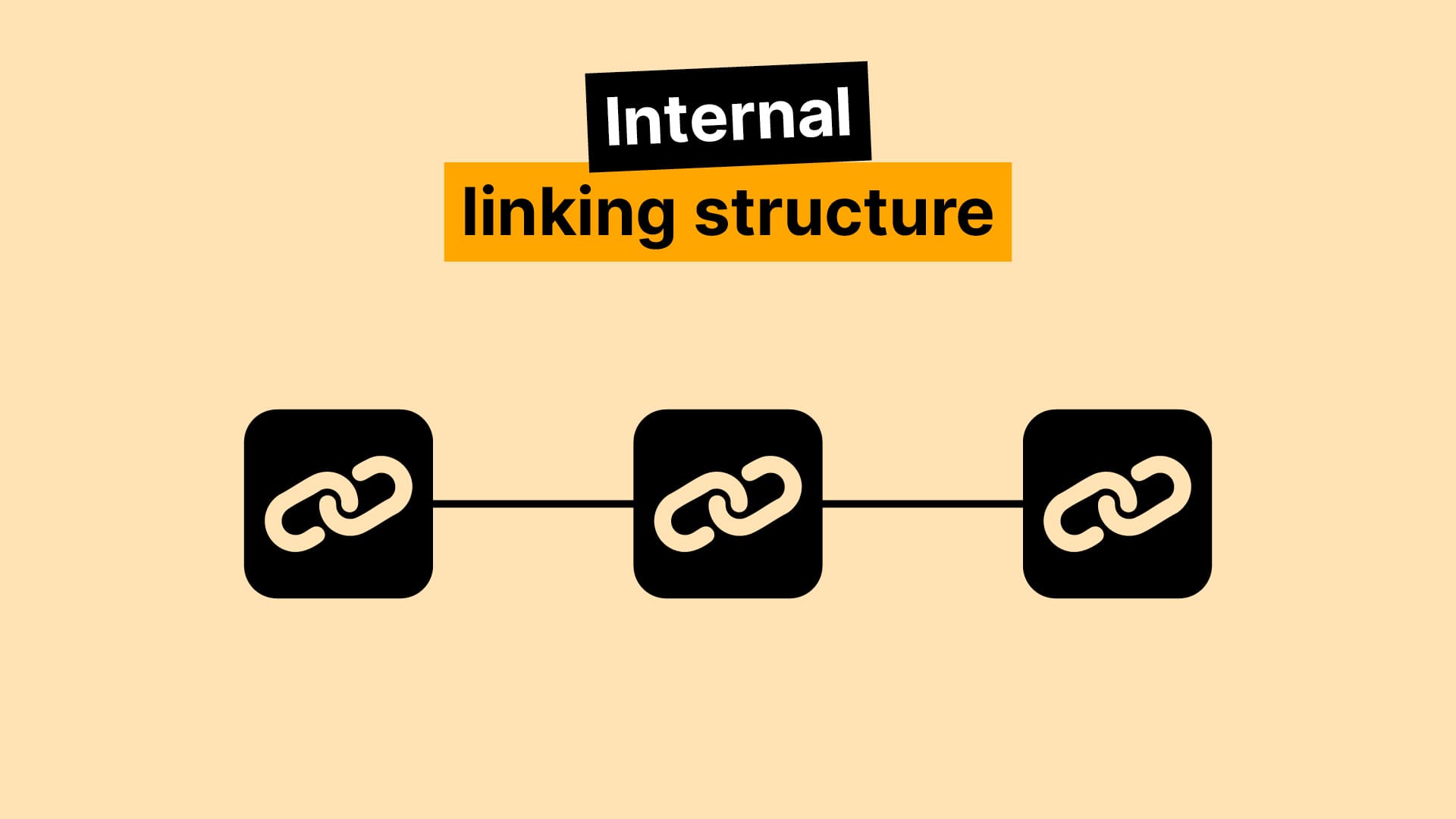
Figure 3: Structured internal linking connects content logically.
Add links purposefully, not arbitrarily. Every internal link should serve a clear purpose and guide users to relevant information. It is particularly important that key pages – such as core service pages or in-depth guides – receive more internal links than less relevant content.
Use precise anchor text. Links such as “click here” or “learn more” tell neither users nor Google anything about the destination page. It is better to phrase the link text so that it clearly describes the topic of the linked page.
Site architecture also benefits from thoughtful internal linking. A clear hierarchical structure helps ensure that all content is easy to reach and that no pages remain isolated. Strategically placed internal links also help distribute link equity throughout the website and strengthen specific pages.
Tip 4: Avoid Common SEO Mistakes
Many SEO problems arise not from a lack of knowledge, but from small oversights in day-to-day work. Anyone seeking strong long-term results should know the typical sources of error and review them regularly. Common pitfalls include:
Figure 4: Common SEO Pitfalls
Figure 4: Common SEO Pitfalls
When identical or very similar content appears on multiple URLs, it confuses search engines and can also negatively affect rankings. Maintain clear URL structures, avoid duplicate content, and use canonical tags for variations.
Duplicate Content
When identical or very similar content appears on multiple URLs, it confuses search engines and can also negatively affect rankings. Maintain clear URL structures, avoid duplicate content, and use canonical tags for variations.
Neglecting Metadata
Missing or uninformative title tags and meta descriptions can cause pages to perform poorly in search results or receive no clicks at all. Every page should have unique metadata that meaningfully summarizes its content.
Confusing Site Structure
Unclear navigation, inconsistent URL schemes, or isolated subpages make it harder for both users and search engines to find their way around. A clean information architecture makes content easier to find, improves visibility in search results, and simplifies long-term website maintenance.
Conclusion
Successful search engine optimization depends on several factors working together. A solid technical foundation, high-quality content, a clear site structure, and thoughtful internal linking form the basis for sustainable rankings.
It is usually worth focusing on the basics. That is often where the greatest potential lies – and where lasting success can be achieved with comparatively little effort.