
Using Title Tags and Meta Descriptions Effectively


CEO
The title tag is the clickable headline of a search result. It is added to the HTML code of each page and displayed as the heading in the search results. The meta description appears directly below it and provides a brief summary of the page content. Together, these two elements form the so-called SERP snippet, meaning the visible listing in Google Search.

Anatomy of a SERP snippet
For SEO, these two elements serve a dual purpose. From a technical perspective, they provide search engines with structured information about the respective page. From a user perspective, they determine whether the search result appears relevant and is clicked. Clear, compelling wording improves the click-through rate (CTR).
A well-written title tag might look like this:
✅ SEO Agency Vienna – Your Path to Greater Visibility | Agency XYZ
It includes the main topic, establishes relevance, and sparks interest.
A suitable meta description could be:
✅Want to improve your visibility on Google? We develop SEO strategies that deliver long-term results – both locally and beyond.
This combination provides both information and a compelling reason to click.
Even though Google can now understand content semantically quite well, title tags and meta descriptions remain important SEO levers and should not be generated entirely automatically—except, of course, for large e-commerce websites with thousands of product pages.
How to Write a Good Title Tag
The title tag, also known as the title link or meta title, is the most prominent element of a search result and one of the most important ranking factors. It needs to make the page’s topic clear at a glance, spark interest, and include the main keyword. An effective title tag communicates both content and relevance in just a few characters. The following factors make a good title tag:
Length
The title should be no longer than 65 characters, including spaces, or have a maximum width of 600 pixels. A “W,” for example, takes up more space than a narrow character such as an “I.” Search engines may truncate longer titles and replace the remaining text with “…”, which not only looks unattractive but can also reduce the click-through rate.
However, a title should not be too short either. Make full use of the available space and describe the product or service as precisely as possible.
Focus on the Main Keyword
The main keyword should appear as early as possible in the title tag, as Google tends to give more weight to the beginning and users often read only the first few words of longer titles. Limit the use of filler words such as “and,” “or,” “in,” and similar terms, without making the title sound unnatural or incomplete.
❌ Better Rankings Through On-Page SEO Measures
✅ On-Page SEO – Measures for Better Rankings
Readability
Titles should not appear overloaded, consist solely of keyword strings, or obscure the page’s benefit.
❌ Title Tag SEO Tips Optimize Snippet Improve Rankings
✅ How to Write a Title Tag – Tips for Better Snippets
Branding
Use the website title or brand name at the beginning or end of each page title. We recommend placing the brand name at the end unless it is essential to the title’s informational value.
✅ Optimize Title Tags – More Clicks with Better Texts | Agency XYZ
Use Special Characters Strategically
Special characters such as “|”, “–”, or “:” can be useful for separating information, but they should not be overused. Too many visual elements make the title look cluttered and distract from the content.
Stay Consistent
A title tag often consists of several elements, such as the page title, category, and brand name. These elements should follow the same pattern across the website: the same order, such as page title before brand name, and a consistent separator, such as “–”, “|”, “>”, or “*”. This creates recognition, looks professional, and helps search engines understand more easily that the pages belong together.
How to Write a Good Meta Description
While the title tag is primarily intended to attract attention, the meta description should turn that attention into interest. It complements the title with a concise summary of the page content and encourages users to click. Although it does not directly influence rankings, it can have a significant impact on the click-through rate and therefore on the page’s overall success.
Length
As with the title tag, the length of the meta description is important to ensure that it is displayed properly in the search results.
Ideally, a meta description should be around 150 to 160 characters long. On mobile devices, the visible space may be slightly shorter.
Clear and Persuasive
When writing a meta description, clarity is more important than detail. Trying to include too much information weakens the message. Google may also replace the description if it does not match the search intent or appears too generic.
A good meta description summarizes the page’s value in one or two clear sentences. It should not only describe the content but also explain why users should choose this particular search result. Specific benefits, clear language, and an active tone are key.
✅ Learn how optimized title tags and meta descriptions can increase your visibility and generate more clicks.
Include Search Terms
The main keyword should also appear in the meta description. Google highlights relevant search terms in bold, which can make the snippet more noticeable. However, the keyword should be integrated naturally into the text. Users quickly recognize when a description has been written solely for search engines.
Write Meta Descriptions Using the AIDA Model
A meta description should first catch the eye, then spark curiosity, promise a clear benefit, and ultimately encourage the user to click. The AIDA model can help when writing the description:
- Attention: Stand out immediately with a strong statement or question.
- Interest: Spark curiosity and clearly introduce the topic.
- Desire: Highlight the benefit—why should someone click?
- Action: Encourage users to click with a clear call to action.
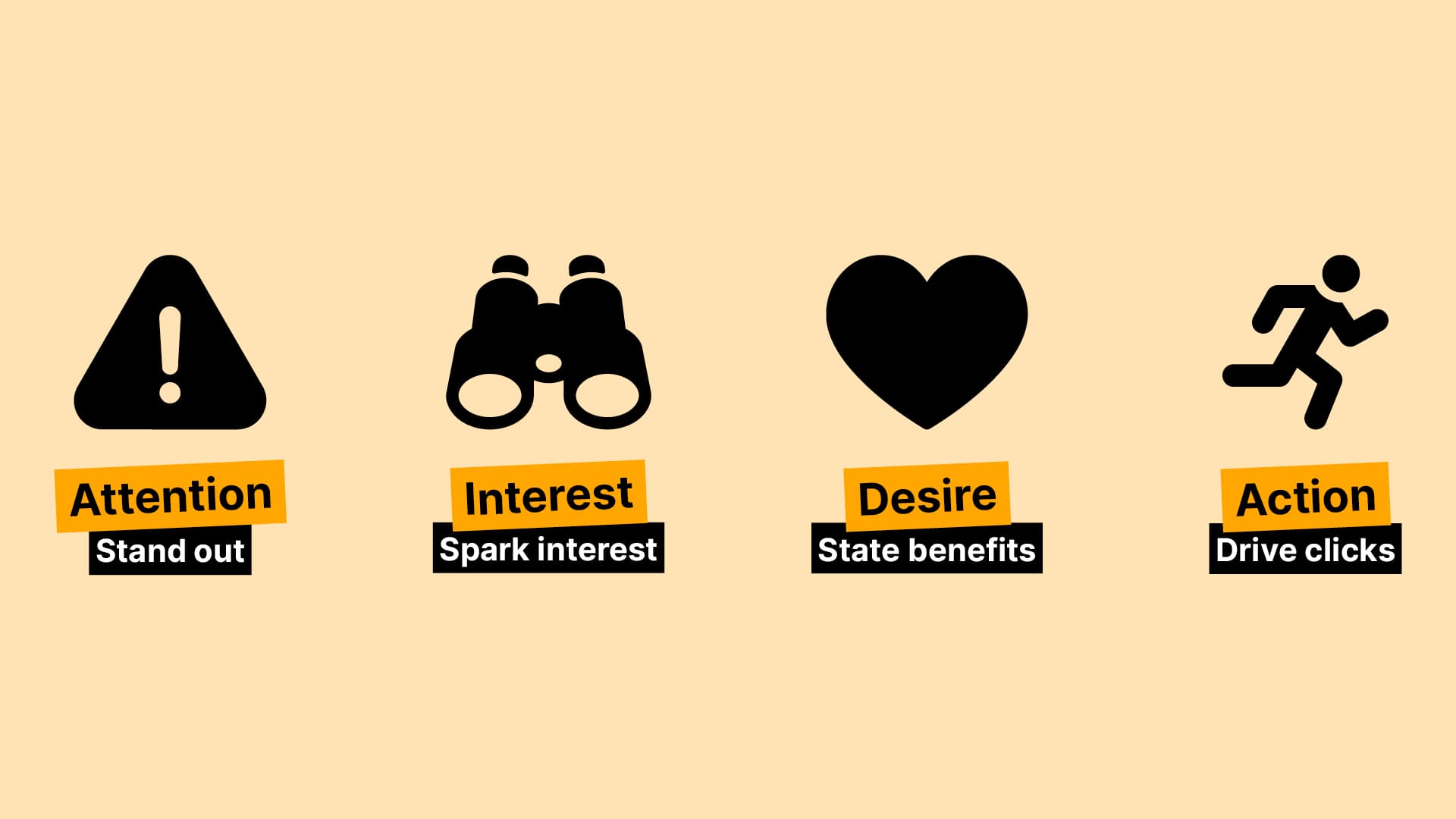
Figure 2: The AIDA principle is useful for writing meta descriptions.
Avoid repetition, empty advertising phrases, and overly generic statements such as “Welcome to our website.”